


Seeing your face age in seconds is a fun way to play with new visual styles.
- Pick good photos for aging filters
- Try different age settings and styles
- Save and share your favorite looks
Here is your quick guide to enjoying face time-travel today.
Want to see what you look like in the future? Trying different age settings is fast, simple, and full of fun surprises.
Click below to check out playful older-self styles and see your new look right now.
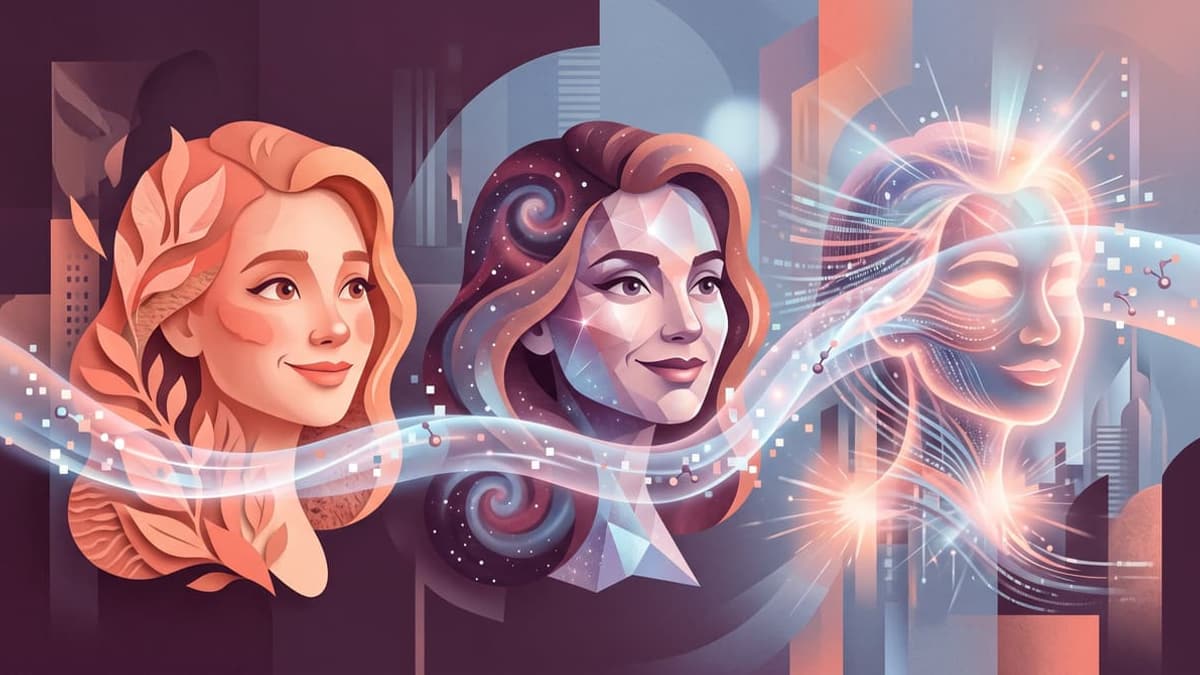
Test out different age settings to reveal fun older-self styles in seconds.
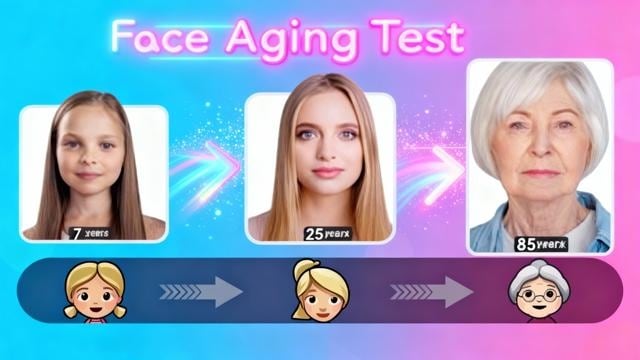
Take the next step to create fun older face pictures and share your best looks with friends.
Seeing your face age in seconds is a fun way to play with new visual styles.
Here is your quick guide to enjoying face time-travel today.
Ever wonder what you will look like in thirty years? Time-travel face filters give you a fun way to peek at your future self in seconds.
Trying out age effects is a great way to test new looks and make your friends laugh. You can easily tweak settings and lighting to get all kinds of unique results.
Testing an age filter gives you a playful peek at an older version of yourself right now. It satisfies your curiosity while letting you play around with totally different looks.
Sharing these transformed pictures is also a great way to start fun group chat conversations. Your friends will love comparing their funny gray hair and new wrinkles together.
Start with a photo that shows your face clearly in bright and even lighting. A crisp picture helps the filter place subtle lines and gray hair smoothly.
Avoid dark shadows, tilted head angles, or big sunglasses that hide your eyes. Looking straight at the camera gives the tool the best base for aging your face.
Decide how far into the future you want your picture to jump. You can pick a light middle-age look or jump straight to a senior style.
Some choices add a few silver streaks, while others give you full white hair and deep lines. Pick the style that fits the playful mood you want to share.
Apply your preferred settings to make your picture age before your eyes. The tool mixes your head shape with realistic skin lines to build the new look.
Take a close look at where the filter added wrinkles, silver tones, and softer skin. Your first attempt usually brings out surprising features that give your picture real charm.
Do not stop after your first photo without trying a few other settings or pictures. Making three or four variations lets you find the most entertaining style.
Put your generated photos next to each other to compare your different expressions and looks. You will quickly see which version brings out your best older self.
If your first result looks a bit strange, try using a photo where you smile or tilt your chin differently. Small changes in your pose can lead to very different face shapes.
Tweaking your photo brightness or cropping closer to your face also improves the final image. A well-prepared starting photo ensures your generated picture looks natural and clean.
When you get an older-self picture you really like, save it to your phone in high quality. Keeping sharp photos makes it easy to build fun timeline comparisons over time.
Post your favorite version on social media or drop it into a group text with a funny note. It is a great way to spark laughs and get your friends to try it too.
Aging filters create fun imaginary artwork rather than real predictions of how you will look later in life. The results depend entirely on lighting, photo quality, and style choices.
Always respect your friends' privacy before uploading their pictures or posting their transformed faces online. Make sure you ask for permission before using anyone else's photo.
Trying out face aging filters gives you an easy and entertaining way to reimagine your look over time. With bright photos and fun style choices, you can quickly make memorable pictures.
Grab a few good photos today and test different age settings to see what you get. Have fun sharing your favorite older looks with your family and friends.
No, future face filters create fun artwork instead of exact predictions. They show creative ideas based on photo traits and age settings.
Clear front-facing photos with good lighting work best. Try to avoid heavy shadows, dark sunglasses, or strange head angles.
Yes, you can test many different age settings on one picture. Trying out new options helps you find unique and funny looks.
Yes, sharing your funny generated pictures with friends is fine. Just be sure you have permission if you use someone else's face.
Wellness
Learn how simple monthly cycle tracking helps you estimate your next period timing, reduce unexpected schedule changes, and build clear personal body awareness.
Read more →  Image Magic Workshop
 Dimensional Personality Mirror Station

 Animation Gene Research Institute
 Laughter Awakening Lab